
GUIDANCE YOU CAN USE
Online Fitness Training: Find a Starting Point That Fits
Online fitness training is exercise guidance delivered through digital resources, from written routines and recorded sessions to live instruction. Choose a format by the guidance you need, the movements you can manage and the support actually available. ThriveShape provides self-guided fitness education.
General fitness education · Updated 1 October 2026 · ThriveShape
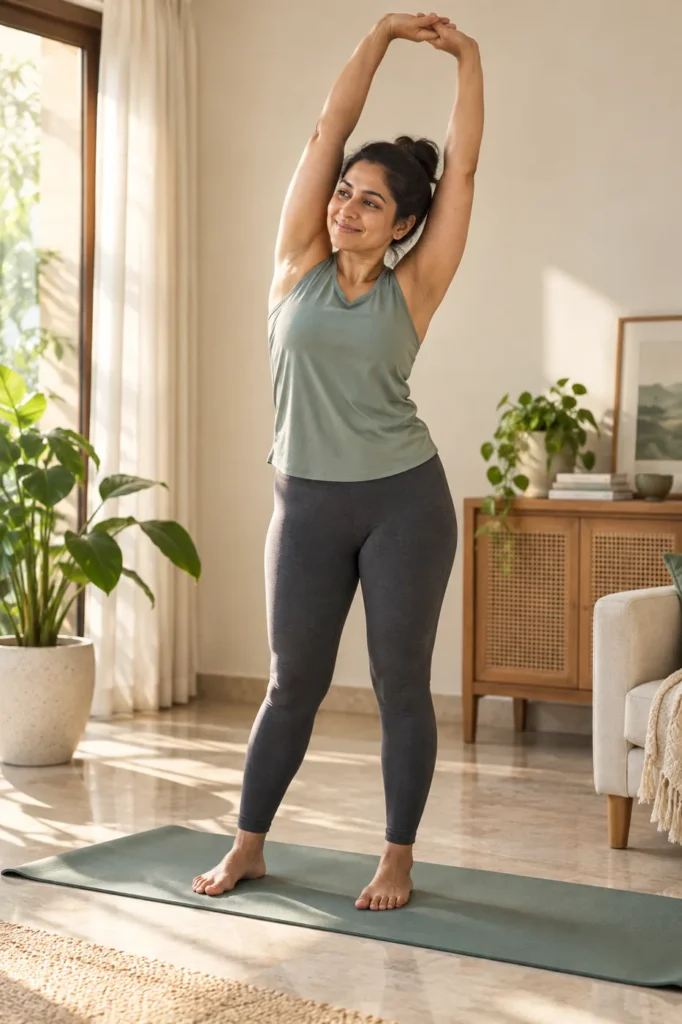
Illustrative editorial image; not an exercise demonstration.
What does online fitness training include?
Online fitness training describes how guidance reaches you, not a single type of workout. You might read instructions before practising, pause a recorded session, or attend a live class. A coach may also offer individual feedback remotely, but that is a different service from an article or a group video.
ThriveShape's guides explain principles, give adaptable examples and point to supporting sources. They do not observe your movement, assess your health or create a personal programme. Understanding that boundary helps you decide whether reading is enough for your next step or you need qualified individual help.
Compare the support, not just the format
Before choosing a resource, check what the person or platform actually provides. A video can demonstrate a movement without checking how you perform it. A live session does not necessarily include individual assessment. Do not assume a subscription includes coaching unless the provider clearly describes that service.
- Written guide: useful for reading explanations and revisiting steps; it cannot demonstrate every detail or watch your technique.
- Recorded session: lets you see a demonstration and pause or replay; the pace and exercises may still need adapting.
- Live group session: offers a scheduled activity; feedback depends on class size, visibility and the instructor's arrangements.
- Individual remote instruction: may include feedback and adjustments; verify the person's actual qualifications, scope and service before relying on it.
Check a resource before you follow it
Look for a stated starting level, an equipment list and clear explanations of each movement. Useful guidance should explain easier options, rest and situations in which you should stop. You should be able to understand the session before pressing play or beginning a set.
Ask who produced the material and how factual claims are supported. A dramatic transformation picture does not establish suitability for you. Be cautious about guaranteed results, universal plans and instructions that treat pain as something to ignore. Our editorial policy explains the standards used for ThriveShape's educational material.
Choose a first step that matches your question
If you are new to exercise, start with Beginner Fitness to choose a manageable amount and a flexible week. If the main challenge is your space, Home Workouts covers preparation and session structure. You do not need to read every guide before making one useful decision.
For the broader picture, our fitness foundations explain the different roles of strength, aerobic activity, mobility and recovery. A resource that only answers one part of that picture should not be mistaken for a complete personal training plan.
Turn the guidance into a realistic plan
Write down when you can practise, what space you have and which movements you already understand. Read the instructions beforehand. Keep the first attempt focused on learning the session rather than matching somebody else's pace or repetitions.
Plan a smaller fallback for a busy day, and leave room to rest when needed. Afterward, note what was clear and what needs more explanation. Make a workout habit fit your week with a normal version, a smaller version and a simple review.
Know when general guidance is not enough
Get individual advice when you are unsure whether an activity suits a health condition, injury, pregnancy or recent change in health. Seek qualified exercise instruction when you cannot work out an appropriate movement or adaptation. A written page cannot resolve that uncertainty by adding more repetitions or a disclaimer.
Stop if activity causes pain or makes you feel unwell. This website and its contact form cannot assess symptoms or provide emergency care. Read the fitness disclaimer before using practical exercise examples.
Frequently asked questions
Is online fitness training the same as personal coaching?
No. Some online services include personal coaching, while others provide general articles or recordings. Check the actual service and support. ThriveShape currently provides educational guides.
Do I need to buy equipment first?
Choose the movement and read its requirements first. Our home workout equipment guide separates necessary setup from optional purchases.
Can I use more than one online resource?
Yes, but give each a clear job. Use one source to understand a movement and another to answer a specific question, rather than stacking several full sessions into a plan you have not assessed.
A note on individual needs
This page offers general adult fitness education and adaptable planning examples. It does not replace a personal assessment, exercise instruction or medical advice. Read the fitness disclaimer. For population-level recommendations, see WHO physical activity guidance.
How we prepare our guides explains sources, authorship and illustrative imagery. Explore Fitness Guides for your next question.