
GIVE YOUR SESSION A START AND FINISH
How to Warm Up and Cool Down Without Rushing
A warm-up introduces the activity gradually; a cool-down reduces the effort gradually at the end. Choose familiar, manageable movements that fit the session. Neither is a guarantee against injury, and neither makes an unsuitable workout appropriate.
Published 1 October 2026 · Updated 1 October 2026 · ThriveShape
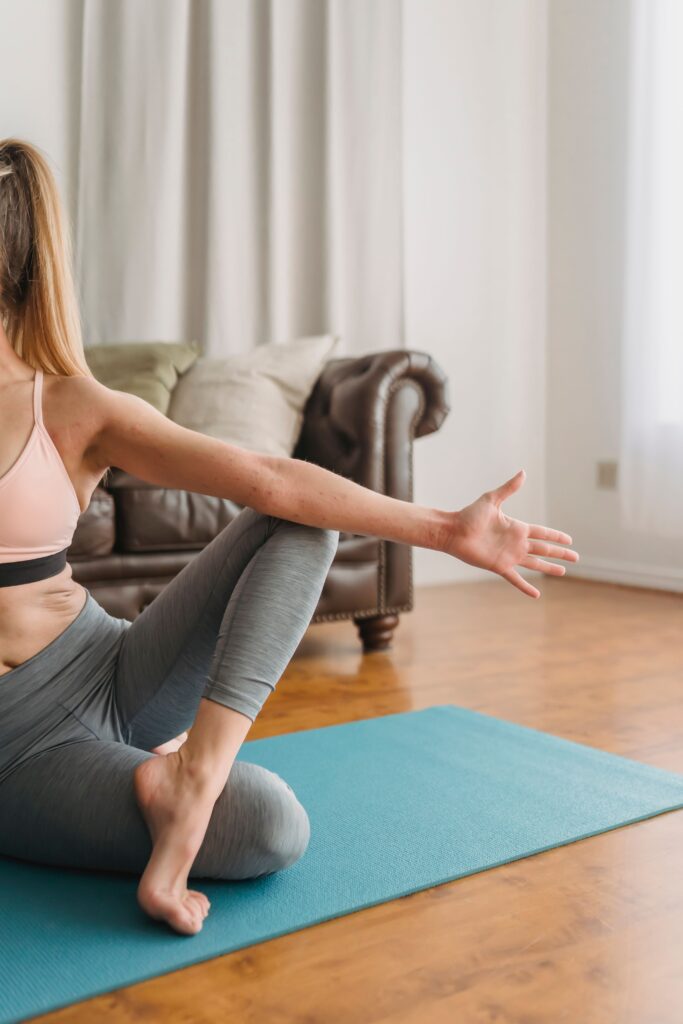
Illustrative editorial image; not an exercise demonstration.
Make the transitions part of your plan
When deciding how much time you have, include preparation, rest and the finish. A session is not just its hardest section. If the available time shrinks, shorten the main activity instead of rushing straight into demanding movement.
The American Heart Association's guidance describes easing into an activity at a slower pace and reducing the pace afterward. The appropriate preparation depends on the activity and the person; a timer is a reminder rather than a test to pass.
Before a walk: start with an easier pace
Use the beginning of a familiar route to walk more easily before moving toward your planned effort. Check the surface, your footwear and how the day feels. Do not treat the first minute as a speed challenge because an app has started recording.
If your route immediately begins with a steep hill or difficult surface, consider a more manageable starting point. The Walking & Cardio guide explains effort and route choices; a warm-up cannot remove hazards from the environment.
Before home exercise: rehearse what comes next
Begin with familiar gentle movement, then practise the setup for the exercise you intend to do. For example, review the chair position before sit-to-stand practice or your hand position before a wall press-up. Keep the rehearsal manageable rather than turning preparation into a demanding workout of its own.
The NHS warm-up guide demonstrates a general routine including marching and shoulder rolls. It recommends at least six minutes for that particular routine. That is a source example, not a claim that exactly six minutes suits every person, activity or situation.
Afterward: bring the effort down
Finish your main activity with a period of easier movement rather than treating the final repetition or fastest stretch of walking as the end of the whole session. Keep enough time to regain a comfortable pace and put equipment away without rushing.
Gentle stretching may be an option when appropriate. The NHS post-exercise stretching guide provides positions and suitability cautions. Stretching is not compulsory proof that a workout is complete, and it should not be used to push through pain or an unexplained restriction.
Use the session to make one useful observation
After finishing, note whether the starting pace felt appropriate, whether any instruction was unclear and whether you allowed enough time for rest. Make one practical adjustment for next time, such as reading a demonstration first or choosing a flatter route.
Avoid rating the session by how sore you expect to feel. This guide does not promise that a cool-down prevents soreness, speeds recovery or eliminates injury risk. If a routine is too demanding, the solution may be to change the routine rather than add more stretching afterward.
Know when to stop and get advice
Stop if exercise causes pain or makes you feel unwell. Do not continue through symptoms just to complete a cool-down. Get appropriate help when you are concerned, and seek urgent medical attention for severe symptoms such as chest pain, fainting or severe breathing difficulty.
For a health condition, injury, pregnancy-related concern or uncertainty about suitability, ask a qualified professional. This page is general adult education. Read Mobility for movement-practice principles and the fitness disclaimer for the limits of website guidance.
Frequently asked questions
Can I use the same warm-up for every workout?
Some familiar movements may carry over, but preparation should fit what follows. Review the activity, surroundings and your own needs rather than automatically repeating a sequence.
Is a warm-up only stretching?
No. It can include easier movement and rehearsal of the planned activity. See the home workout session structure for context.
Where can I see this within a full session?
The adaptable beginner home workout shows how preparation, practice, rest and the finish can fit together.
A note on individual needs
This page offers general adult fitness education and adaptable planning examples. It does not replace a personal assessment, exercise instruction or medical advice. Read the fitness disclaimer.
How we prepare our guides explains sources, authorship and illustrative imagery. Explore Fitness Guides for your next question.
Keep building your fitness foundations.
Explore Beginner Fitness, Home Workouts and the Fitness Guides for your next practical step.
Published by ThriveShape. AI assistance, sources and review information · Request a correction · Fitness guidance limits.